By Dev Crasta, Ph.D.
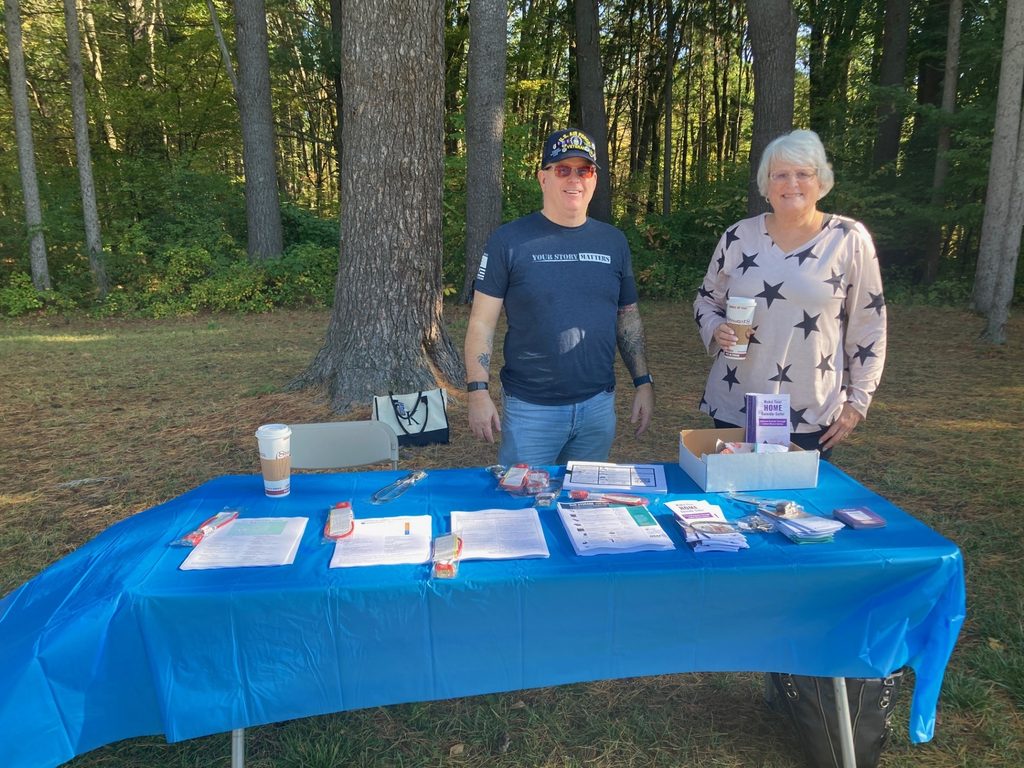
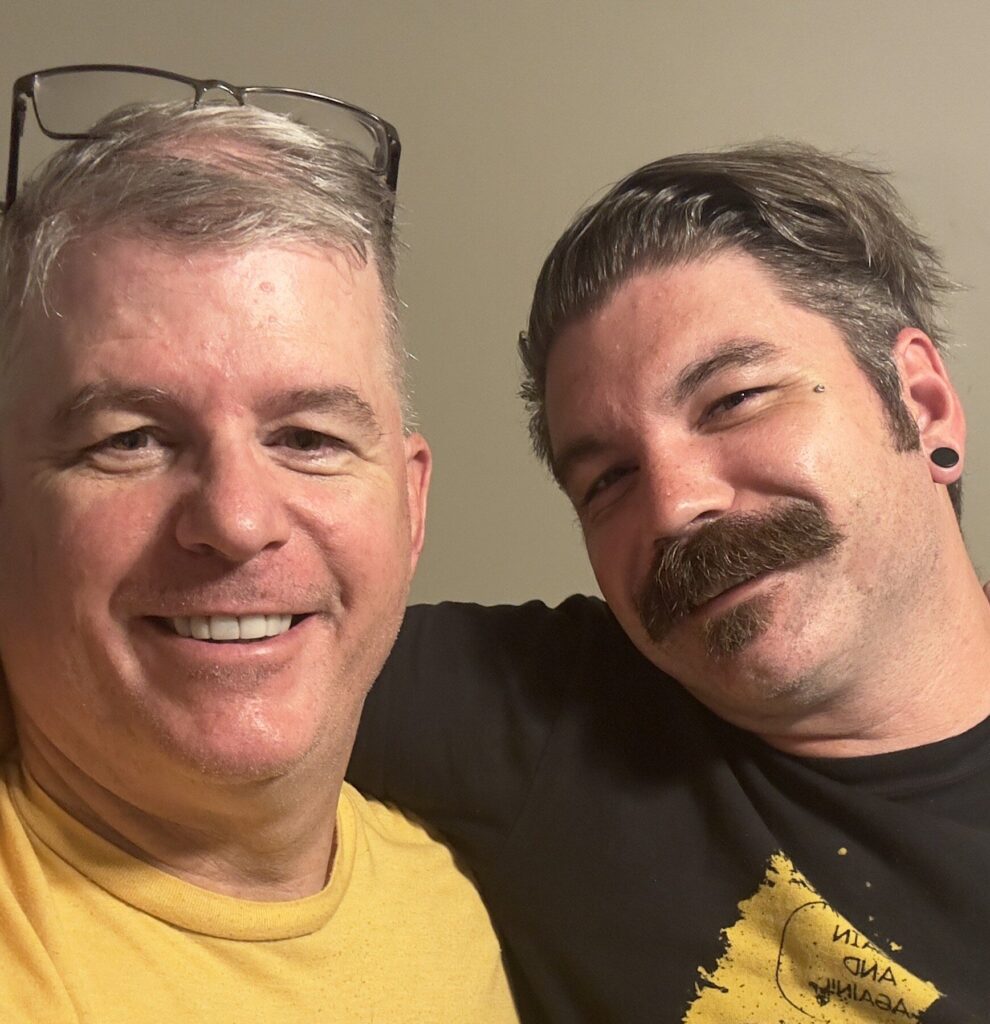
When Glenn Holt’s son was hospitalized for a suicidal crisis after returning from a deployment in Iraq, Holt immediately jumped into a car to drive over to his son’s hospital. On arriving, he was impressed with care his son received, but as his son prepared for discharge, he found himself repeatedly asking the doctor, “What’s the plan?”
Holt’s problem wasn’t a lack of knowledge. Across four generations of his family serving in the military, he was well aware of the impact of military service on mental health starting with his own grandfather’s experience: “My grandfather served in WWII with the U.S. Army-Europe, followed D-Day invasion forces through France and the Netherlands, and survived a ship sinking in the North Sea. He later struggled with what he called his ‘mind being affected’ and what we now know as PTSD.” Holt could also draw on his own service experience as a Mental Health Clinic Specialist for the Air Force, and later on the joint forces Substance Use Disorder Inpatient Treatment Unit, where he provided therapy to active duty members from all service branches.
But in that moment, as a father worried about his son, what Holt needed was a specific plan to put that knowledge to use. Holt still sees this same struggle in other families as part of the Quick Reaction Force for American Military Families: Got Your 6, which visits Veterans and their families during a crisis: “It can be hard to learn that someone you care about struggles with suicidal thoughts. You may be swarmed with questions about how to help,” Holt explains. “As you turn to resources for recommendations, you might find yourself in the opposite scenario, too much information and too much to do.”
Now, Holt is helping simplify how Veterans and their loved ones respond quickly to crises as part of Caregiver Advisory Board for a New York Health Foundation funded initiative, “Firearm Safety for Suicide Prevention” (FS4SP). Holt’s lived experience caring for his son and those of his team informed a practical checklist of simple changes that can make the home suicide-safer.
The checklist breaks down what needs to change and how to make things safer without taking away the Veteran’s voice or making one caregiver responsible for everything. “It takes a huge and frightening question and turns it into practical decisions Veterans and loved ones can make together,” Holt says.
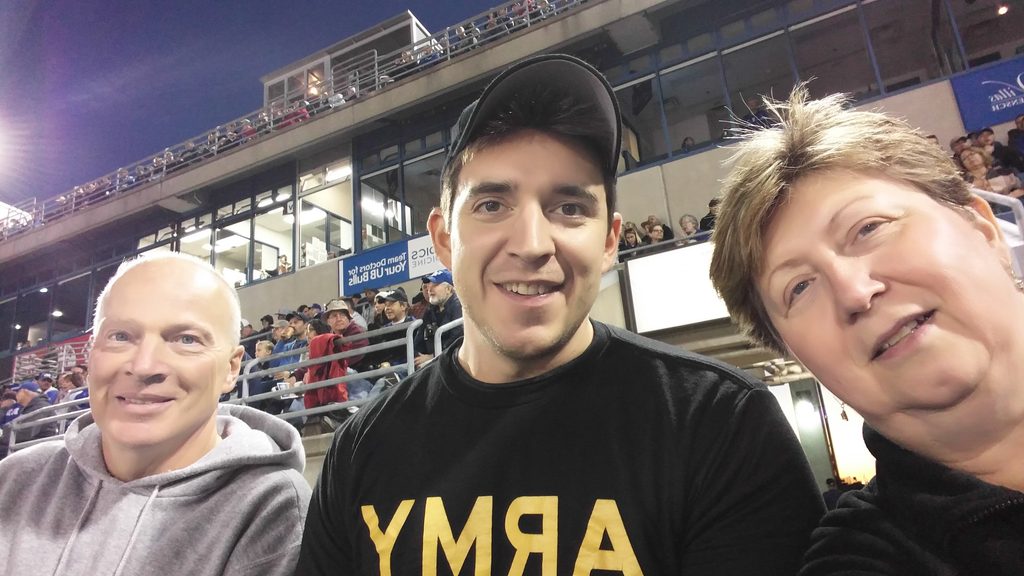
Fellow FS4SP Advisory Board member Shirley Stanton, R.N., a 2019 Elizabeth Dole Fellow, also drew from her own experiences when helping to build the checklist. In addition to an extensive experience as a nurse, including as Unit Manager at an Inpatient Psychiatry Unit she is also a mother to four service members, one of whom struggled with suicidal thoughts after being severely injured in Afghanistan. “This experience brought an entirely new level of understanding,” Stanton explained, “it reinforced for me how critical it is to prioritize both physical and emotional safety, while also recognizing how overwhelming that responsibility feels.”
Now working as a Caregiver Coach, she tries to help caregivers focus on practicality, “Families cannot—and should not—try to turn their homes into locked units. Doing so is not only impractical, but it can also increase stress for both the caregiver and their loved one. Instead, what I’ve found most effective is focusing on small, intentional changes that have the greatest impact.”
What I’ve found most effective is focusing on small, intentional changes that have the greatest impact.
Shirley Stanton, RN
The list begins with the safest options and moves through other options that can still be effective. “By recommending the smallest number of changes that can have the biggest impact, we aim to support caregivers and families in a way that is both compassionate and achievable,” Stanton says. The FS4SP board hopes this checklist can be a platform for a conversation between loved ones, so that everyone can find the right changes to the home to balance safety and other needs, from using a firearm for self-defense or needing to have personal control of your medications.
Holt also reminds everyone that “loved one” can include more than just blood family. When his son had his first suicidal crisis while on deployment in Anbar Province, it was his son’s battle buddy who intervened and secured his firearm. Holt is still grateful for that battle buddy and continues to talk with pride about the community his son built after his service.
Since its creation in 2025, the checklist’s impact has continued to grow. The FS4SP initiative began sharing the checklist at suicide prevention events around New York State, where families shared they were able to put advice into action that night. Mental health partners have begun using the checklist to help clients come up with ideas when building Suicide Safety Plans. And, the checklist is part of the Key into Care package, an initiative to send free care packages to Veterans and their loved ones to equip them with tools to help prevent Veteran suicide.
The Checklist and You.
The checklist is best paired with other educational resources, like those listed on this site. If you need additional help while exploring the website, you can call 844-255-2948 or 844-CLL-2WAV to connect with a trained peer support specialist anytime, 24/7.
About Firearm Safety for Suicide Prevention (FS4SP) Caregiver Advisory Board
The FS4SP Caregiver Advisory board is composed of families who have cared for a Veteran through a suicide crisis. Since 2023, FS4SP has provided educational workshops teaching families how to make homes safer for a family member struggling with suicidal thoughts. FS4SP is partnering with Worried about a Veteran (WAV) to expand the reach of the checklist beyond New York State. Through collaborations like this one, we are working toward our mission to empower loves ones to prevent Veteran gun suicide and make the home suicide-safer for as many families as possible.


